Heat Pump vs Electric Baseboard Heating
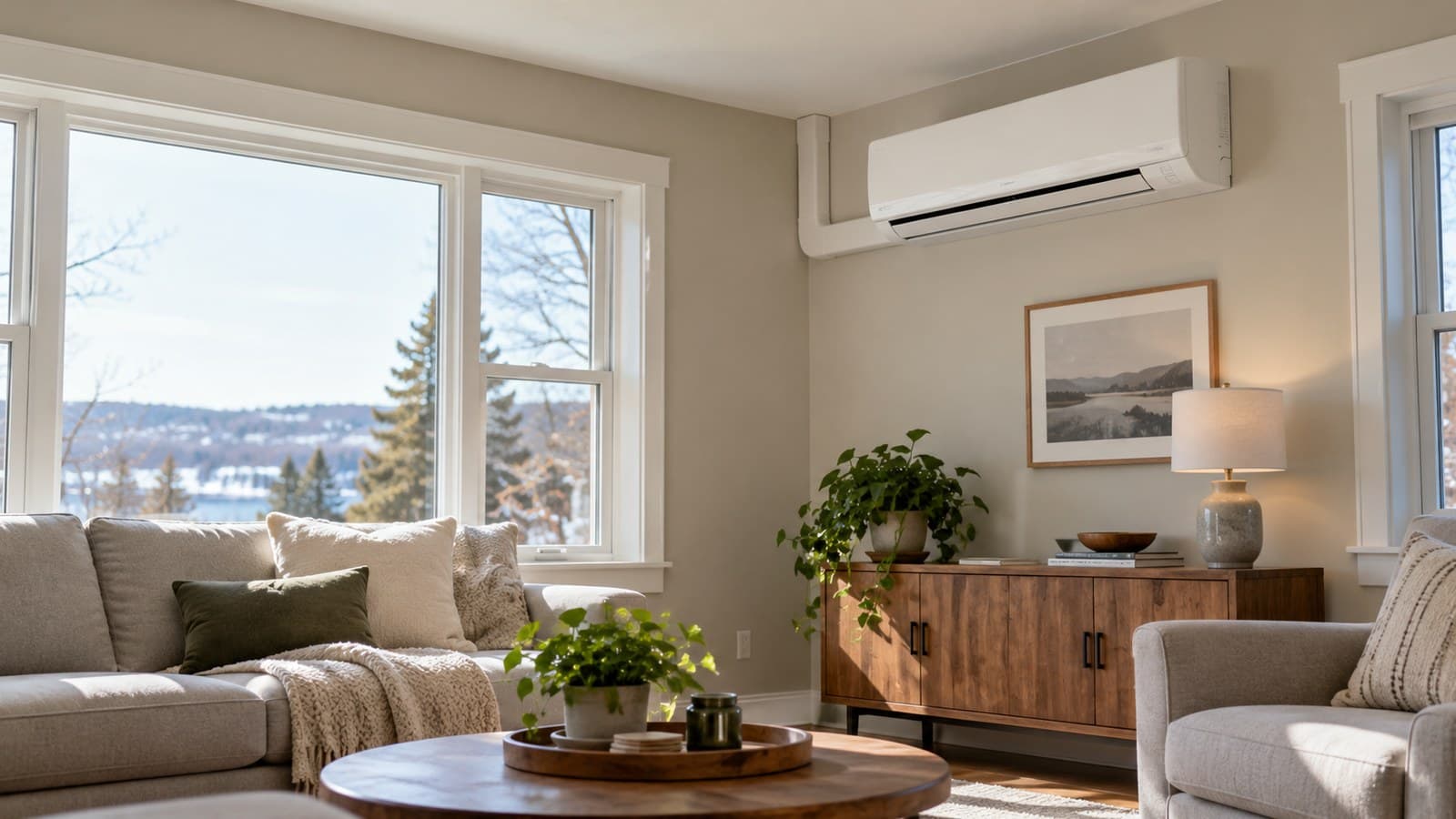
Electric baseboards and heat pumps both use electricity, but they use it differently. Baseboards convert electricity directly into heat. A heat pump uses electricity to move heat from outdoor air into the home, which can deliver more heat energy than the electricity consumed by the compressor and fans under many operating conditions.
How electric baseboards work
Electric resistance heat is simple. The baseboard warms when electricity passes through the heating element, and each room can usually be controlled with its own thermostat. There is little mechanical maintenance, but baseboards do not provide cooling.
How a heat pump works
A heat pump transfers heat rather than creating all of its heat through resistance. In summer it can reverse the process and provide cooling. Its efficiency changes with outdoor temperature, equipment selection, installation quality and the heating load of the home.
Energy savings cannot be reduced to one percentage
A heat pump can reduce the amount of resistance heat used, but actual savings depend on the home, insulation, air leakage, equipment, thermostat settings, outdoor temperatures, room layout and occupant behaviour. A fixed savings percentage or payback period without those details is not reliable.
Room-by-room comfort
Baseboards are naturally zoned because each room can have its own heater. A ductless heat pump can also provide zoning, but only in the rooms served by its indoor units. One head in a living room may not provide enough heat to closed bedrooms or a separate lower level.
Cooling
Heat pumps provide air conditioning as part of the same system. Baseboards do not. For homeowners who already plan to add cooling, that can change the comparison because the heat pump is replacing or avoiding a separate cooling system as well as reducing resistance heating.
Cold weather and backup heat
Heat-pump capacity changes as outdoor temperature falls, and the system also pauses normal heating during defrost. Keeping some existing baseboards as backup can be useful for the coldest periods and for rooms not directly served by the heat pump. Backup heat should be part of the plan rather than removed automatically.
Installation and electrical work
Existing baseboards are already installed. A heat pump adds an outdoor unit, electrical supply, refrigerant piping or ductwork, drainage and indoor equipment. The project should include an electrical assessment, especially in homes that already have several large electric loads.
Maintenance
Baseboards require relatively little routine service. Heat pumps have filters, coils, fans and an outdoor unit that need periodic attention. The maintenance burden is still modest, but it is greater than simply leaving existing baseboards in place.
When keeping baseboards as backup makes sense
- Some rooms will not be directly served by a heat-pump zone.
- You want backup during defrost or very cold weather.
- You want to confirm the new system's real winter performance before removing existing heat.
When a heat pump is worth considering
- You want both heating and cooling.
- You want to reduce reliance on electric resistance heat.
- The home has suitable locations for indoor and outdoor equipment.
- You are willing to assess heating load and electrical capacity before choosing equipment.
Current New Brunswick incentives may apply to qualifying heat-pump equipment. Check the rebate guide, then review installation planning for the next step.